

Els Griells (eng)
Els Griells is an urbanization project located in the coastal town of l'Estartit, Spain, notable for its innovative approach to sustainable urban development amid the challenges posed by rapid urbanization in coastal areas.
Initiated to accommodate the rising demand for housing and infrastructure, the project seeks to enhance community resilience while integrating environ mentally responsible practices that prioritize social inclusion and economic viability.
As l'Estartit transitions from a traditional fishing village to a bustling tourist destination, the Els Griells initiative reflects broader trends in urbanization and development that impact both local communities and ecosystems.
The project emphasizes sustainable urban regeneration, incorporating performance indicators to evaluate energy efficiency, waste management, and overall ecological impact.
With a focus on stakeholder cooperation, Els Griells aims to balance the interests of residents, local businesses, and environmental advocates, facilitating a collaborative approach to urban planning that minimizes conflicts.
Key to the project’s success is its emphasis on mixed-use developments, which promote walkability and a vibrant community atmosphere by integrating residential, commercial, and public spaces.
Despite its promising objectives, the Els Griells urbanization has sparked discussions about potential controversies, particularly concerning environmental preservation and the socioeconomic implications of rapid development.
Concerns about maintaining the ecological integrity of nearby natural parks while meeting the infrastructure needs of a growing population highlight the tension between growth and sustainability in urban planning.
Moreover, the project has initiated conversations about social equity, as the community grapples with issues related to affordable housing and resource accessibility amidst changing demographics.
In summary, the Els Griells urbanization project stands as a crucial case study in contemporary urban development, illustrating the complexities of balancing growth, environmental stewardship, and social equity within a rapidly evolving coastal community.
As l'Estartit navigates these challenges, the outcomes of the Els Griells initiative could provide valuable insights for similar urbanization efforts worldwide.
Development
Overview of Urbanization
The "Els Griells" urbanization project in l'Estartit represents a significant development initiative aimed at enhancing the local community while adhering to sustainable urban planning principles.
This project is designed to meet the increasing demand for housing and infrastructure in the region, particularly as urbanization continues to rise in coastal towns like l'Estartit
Sustainable Urban Regeneration
Sustainable urban regeneration is at the heart of the "Els Griells" development.
This approach focuses on creating environmentally responsible, socially inclusive, and economically resilient communities.
To achieve these goals, the project incorporates key performance indicators that assess the sustainability and efficiency of various urban elements, from energy consumption to waste management.
Furthermore, effective communication and cooperation among stakeholders are essential for the project's success, ensuring that public and private interests are balanced and conflicts are minimized.
Key Considerations for Development
Several critical factors contribute to the successful execution of the "Els Griells" urbanization:
- Organizational Structure: Establishing a robust organizational framework is crucial to coordinate the various stakeholders involved in the project
- Performance Management: Continuous monitoring and evaluation of the project's progress help to ensure that goals are met and necessary adjustments can be made in real-time
- Education and Training: To enhance the skills and knowledge required for sustainable urban development, the project emphasizes the importance of comprehensive training programs and ongoing professional development initiatives for those involved in urban planning and management.
Addressing Urban Challenges
The "Els Griells" project also acknowledges the unique challenges faced by urban areas, particularly in the context of increasing population density and infrastructure demands.
Innovative solutions, such as mixed-use developments that integrate residential, commercial, and community spaces, are employed to promote a vibrant and walkable environment.
Moreover, the project aims to incorporate public art and cultural spaces, recognizing their role in enhancing the livability and cultural richness of the community.
Community and Demographics
The urbanization process in l'Estartit, particularly in the area known as Els Griells, reflects broader global trends where increasing populations are migrating to urban areas.
As of 2018, 55% of the world’s population resided in urban locales, a figure projected to rise to 68% by 2050, primarily driven by growth in Asia and AfricaThis phenomenon is evident in l'Estartit, where the expansion of urban infrastructure is both a response to and a catalyst for demographic changes.- Urban Population and SlumsThe rise in urban populations often comes with challenges.
Globally, about 24% of urban residents lived in slums as of 2018, with this figure climbing to 56% in Sub-Saharan AfricaWhile l'Estartit has not faced slum conditions akin to those found in larger cities, issues related to affordable housing and the integration of various socioeconomic groups are present.
The area's development must consider the need for accessible housing and the potential for economic disparity among its residents.
Economic Growth and Community Services
Cities like l'Estartit contribute significantly to economic development, embodying approximately 60% of the global gross domestic product (GDP)
The growth in urban areas, including Els Griells, has been linked to enhanced access to services and amenities, which typically improves the quality of life for residents.
However, this urbanization has also led to challenges such as increased carbon emissions and greater demand for natural resources.
Local governance plays a critical role in addressing these challenges through community planning and sustainable development strategies.
Zoning and Community Needs
In l'Estartit, as in many urban areas, zoning regulations are central to community development.
They determine how land is used and influence the availability of housing, open spaces, and essential services.
Current discussions emphasize the importance of integrating public amenities such as parks, fresh food retailers, and community spaces into urban planning.
Engaging with the community through participatory budgeting and other inclusive methods can ensure that diverse voices contribute to decision-making processes, ultimately fostering a more equitable urban environment.
Social Equity and Community Engagement
Urbanization can exacerbate existing inequalities within communities.
In l'Estartit, higher-income neighborhoods may have access to better services than lower-income areas, echoing a global trend where marginalized groups face significant barriers.
To counter this, initiatives focusing on Diversity, Equity, and Inclusion (DEI) are becoming crucial in urban planning.
These initiatives aim to ensure that all community members have a voice in the planning process, thus promoting social equity and stronger community bondsThe need for effective community engagement in l'Estartit is paramount, especially as urban development continues to evolve.
By utilizing modern tools such as geolocation data and online platforms, planners can better understand community needs and preferences, leading to more responsive and sustainable urban growth.
Environment
The urbanization of Els Griells in L'Estartit is characterized by a commitment to sustainable practices and environmental stewardship.
Life-cycle considerations are integral to the development process, prioritizing the use of sustainable materials and minimizing ecological harm while enhancing performance.
This approach aligns with the broader goals of urban placemaking, which emphasize the restoration of ecosystems and the promotion of urban biodiversity as standard practices in future developments.
The design and planning of Els Griells also aim to address the challenges posed by climate change, particularly the increasing temperatures and more frequent storm events that affect urban areas.
By reducing hard surfaces, increasing green spaces, and creating active transportation corridors, urban planners seek to mitigate urban heat islands and lower greenhouse gas emissions.
These strategies transform underutilized spaces into vibrant green ecosystems, improving the overall quality of life for residents.
Furthermore, the integration of nature-based solutions is fundamental in shaping the urban landscape of Els Griells.
The project encourages a view of urban areas as ecosystems, recognizing the value of green spaces in enhancing urban living and property desirability.
The importance of active community engagement in these processes ensures that residents' needs and preferences directly influence the development of their neighborhoods, fostering a sense of ownership and connection to the environment.
The regulations guiding the development promote mixed-use environments, enhancing land use efficiency and supporting local economies.
This aspect is crucial as it enables the creation of walkable neighborhoods that facilitate access to various services and amenities, reducing reliance on vehicular transportation and contributing to a healthier urban environment.
Overall, the Els Griells urbanization exemplifies a forward-thinking approach to urban design, where sustainability, community engagement, and environmental integration play pivotal roles in shaping resilient and livable spaces.
Transportation
Urban Mobility and Infrastructure
The urbanization of Els Griells in l'Estartit has significantly impacted transportation dynamics in the area. Improved transportation options have facilitated the movement of residents and visitors alike, allowing for greater access to job opportunities and services within the urban landscape.
As urban populations grow, there is a corresponding need for efficient transportation systems that accommodate both current demands and future growth.
This includes the development of infrastructure that supports multimodal transport initiatives, integrating walking, cycling, and public transport options to reduce reliance on cars.
Sustainable Transportation Initiatives
To promote sustainability, the local government has begun to implement various green initiatives. These include the introduction of bike-sharing programs and the expansion of pedestrian pathways, which are designed to enhance walkability and bikeability in the community. Such initiatives aim to reduce short car journeys, which contribute significantly to urban pollution.
Furthermore, the integration of electric vehicle charging stations throughout Els Griells is anticipated to encourage the adoption of electric vehicles, thereby reducing the overall carbon footprint of the area.
Zoning and Land Use Planning
The role of zoning regulations in Els Griells is pivotal in shaping transportation planning and land use. Zoning laws have been employed to establish a connected network of streets and pathways, which promotes not only efficient traffic flow but also accessibility to essential amenities.
By zoning for mixed-use developments, the community can facilitate a lifestyle where residents can walk or bike to local shops, schools, and recreational spaces.
This strategic approach to land use is instrumental in creating a cohesive neighborhood environment that encourages social interaction and community engagement.
Disaster Resilience and Safety Considerations
In addition to enhancing mobility, transportation planning in Els Griells also considers safety and disaster resilience.
Effective zoning practices are utilized to mitigate vulnerabilities to natural disasters by steering development away from high-risk areas.
This proactive approach integrates risk assessments into urban planning, ensuring that transportation infrastructure is robust and capable of withstanding potential threats.
Furthermore, thoughtful design elements such as well-marked crosswalks, adequate lighting, and pedestrian zones contribute to a safer environment for residents and visitors.
Future Challenges and Innovations
As the urbanization of Els Griells continues, urban planners face the challenge of accommodating an increasing population while maintaining a focus on sustainable and livable environments.
Innovative solutions, including high-density housing and efficient public transport systems, will be crucial in meeting the diverse needs of residents.
The ongoing evolution of transportation in Els Griells represents a vital aspect of the area's development, balancing economic growth with the imperatives of sustainability and community well-being.
Tourism
L'Estartit has evolved significantly from its origins as a fishing village to become a prominent tourist destination on the Costa Brava, particularly since the 1960s.
The influx of visitors during the summer months led to exponential growth in the community, resulting in the construction of numerous houses, villas, hotels, and campsites that extend along the beach and the floodplain of the Ter estuary.
The town's tourism is heavily influenced by its geographical features, including a lengthy beach that stretches several kilometers south past the mouth of the River Ter, and the nearby Illes Medes archipelago, which is renowned for its exceptional underwater beauty.
This archipelago is protected under Natural Park status and serves as a vital habitat for diverse marine flora and fauna, making it one of the premier destinations for scuba diving in the Mediterranean.
Despite facing challenges such as massification and the loss of some of its original charm due to uncontrolled growth, L'Estartit has managed to maintain its appeal.
The availability of various water sports, including sailing, kayaking, and snorkeling, coupled with the area's natural beauty, has helped attract a loyal base of divers, sailors, and golfers, contributing to a revival in tourism since the 1990s.
The local economy also benefits from a sizable immigrant workforce, primarily from southern Spain, which supports the tourist industry that caters to visitors from countries such as France, the United Kingdom, Ireland, Germany, and the Netherlands.
L'Estartit also offers a range of dining options that reflect its cultural diversity, with establishments serving traditional Catalan cuisine alongside Italian and Mexican dishes.
The town center is vibrant, with shops, restaurants, and markets enhancing the overall tourist experience
As a result, L'Estartit remains a desirable destination for families and outdoor enthusiasts seeking both relaxation and adventure amidst stunning natural surroundings.
Challenges and Opportunities
Challenges
The urbanization of Els Griells in l'Estartit faces several challenges that can impact its sustainability and livability.
One primary concern is the need to balance development with environmental preservation, particularly given the area's proximity to natural parks and coastal ecosystems.
Urban planning must navigate the complexities of protecting these habitats while meeting the demands of a growing population and tourism sector.
Additionally, the infrastructure in Els Griells may require significant upgrades to accommodate increased traffic and ensure reliable public transport options.
Poorly planned development could lead to congestion, pollution, and inadequate services, undermining the area's appeal and functionality.
Addressing these issues necessitates a long-term integrated strategic perspective that considers both current needs and future growth.
Opportunities
Despite these challenges, the urbanization of Els Griells presents numerous opportunities for sustainable development.
By implementing green infrastructure and promoting mixed-use developments, the area can enhance its resilience to environmental challenges such as climate change.
The integration of smart technologies for urban management can improve efficiency and reduce the ecological footprint of the communityFurthermore, there is a significant potential for community engagement and participatory planning.
By collaborating with local residents and stakeholders, planners can design solutions that reflect the unique characteristics and requirements of the community, ensuring that development is both inclusive and equitable.
This collaborative approach can also foster stronger connections between urban and rural areas, optimizing resource use and enhancing local economies.
Cited Sources
The urbanization project "els griells" in l'Estartit has drawn on a variety of sources and studies to inform its development and assess its implications.
For instance, Roberts and Sykes' handbook on urban regeneration provides foundational insights into the principles of urban development, which could apply to this context.
Recent research also highlights the relationship between urbanization and physical activity, indicating that urban development can significantly impact community health and lifestyle choices.
The Global Prospective Urban and Rural Epidemiology Study underscores the need for inclusive urban planning to promote physical activity.
Additionally, the management of construction and demolition waste during urban transformation is critical for sustainability, as demonstrated in recent case studies
This aspect is particularly relevant for "els griells," where effective waste management strategies will be vital for minimizing environmental impact.
Moreover, the issue of zoning regulations and their historical implications, including the long-standing effects of housing discrimination and redlining in the United States, has also been discussed in relation to urban planning.
Such considerations are essential when examining the socio-economic impacts of urbanization projects like "els griells"
Lastly, the development community in areas like North Carolina has expressed concerns about excessive design standards imposed by local governments, reflecting a broader debate about regulatory frameworks that influence residential development.
This context may provide useful parallels for understanding regulatory challenges in l'Estartit.
Further Reading
Cultural Events
One notable cultural event in the vicinity is an homage to Joan Ferraté, a prominent literary critic and poet, which will take place at the Cinema Montgrí on January 11.
This event highlights the community's engagement with its cultural heritage.
Urban Development
InitiativesEfforts to enhance the urbanization of Els Griells focus on improving various aspects of the area to elevate its status due to its privileged location facing the Medes Islands and situated within the Montgrí, Medes Islands, and Baix Ter Natural Park.
These initiatives aim to make the area more attractive for residents and visitors alike.
Environmental Concerns
Recent discussions have underscored the urgent need for environmental interventions in the Els Griells area.
The mayor of Torroella de Montgrí, Josep Maria Rufí, has emphasized the significance of addressing coastal erosion and ensuring the safety of residents by advocating for immediate action from the government to protect the local beach and infrastructure.
The municipality has also been proactive in restoring the promenade and beach, with expected completion by Sant Joan, as part of ongoing efforts to enhance the local environment.
Official Website
The official website for the Els Griells urbanization in l'Estartit serves as a primary source of information for residents and visitors.
It includes details on the amenities, community events, and local regulations that govern the area.
The website is designed to enhance communication between the urbanization's management and its inhabitants, providing updates on maintenance, improvements, and social activities
Furthermore, the site features resources for prospective residents, offering insights into the lifestyle and environment of Els Griells.
This includes information on nearby attractions, services available within the urbanization, and important contact information for local authorities and service providers.
The platform aims to foster a sense of community and ensure that residents remain informed about their living environment
Community Forums
Importance of Community Engagement
Community engagement serves as a foundational pillar in the planning of the "els griells" urbanization project in l'Estartit.
By fostering a collaborative environment, community forums enable diverse voices to influence development outcomes.
Engaging the community early in the planning process allows developers to gather invaluable feedback, illuminating local priorities and concerns that may not be immediately apparent through traditional data analysis.
This proactive approach not only enhances the relevance of the project but also builds a stronger social license to operate.
Methodical Approach to Engagement
To ensure effective community engagement, a methodical approach should be employed.
- Identify Stakeholders: Recognizing who will be affected by the urbanization and should thus have a voice in the planning process is essential
- Establish Clear Objectives: Defining the aims of community engagement from the outset is critical to success
- Choose Appropriate Methods: Selecting the right methods for engagement—such as town hall meetings, surveys, or digital platforms—facilitates genuine dialogue among community members
- Be Transparent: Maintaining clarity about how community input will be utilized in the planning process fosters trust
- Follow Through: Demonstrating that community feedback has been considered by incorporating it into actual plans and actions reinforces the commitment to community involvement
Tools and Technologies for Engagement
Modern urban planning increasingly relies on technology to enhance community engagement.
Tools such as geolocation data provide precise insights into community needs and dynamics, while online platforms facilitate broader participation by making it easier for residents to contribute ideas and feedback.
Data analytics can help analyze patterns and preferences, ensuring that community input is effectively utilized in the planning process.
Diversity, Equity, and Inclusion Initiatives
Incorporating Diversity, Equity, and Inclusion (DEI) initiatives into community engagement processes is essential for making urban planning more equitable and representative of the broader community.
DEI initiatives promote broader perspectives by bringing diverse voices into the planning process, ultimately enhancing social equity and trust within the community.
Engaging a wide array of demographics not only enriches the planning dialogue but also addresses disparities in living conditions and access to resources.
Public Hearing Process
After the application for the "els griells" urbanization project is submitted, a public hearing typically follows.
This forum provides a platform for community members and stakeholders to express their opinions regarding the proposed project.
It is crucial for applicants to prepare thoroughly for this hearing, as local perceptions can significantly influence zoning decisions.
Engaging with the community beforehand can foster positive relationships and improve the likelihood of receiving favorable feedback during the public hearing.

The Ultimate Guide to Investing in L’Estartit: A 2026 Market Analysis for European Buyers
The Costa Brava has long been the crown jewel of the Spanish Mediterranean, but within this rugged coastline, L’Estartit represents a unique convergence of natural preservation, investment...
more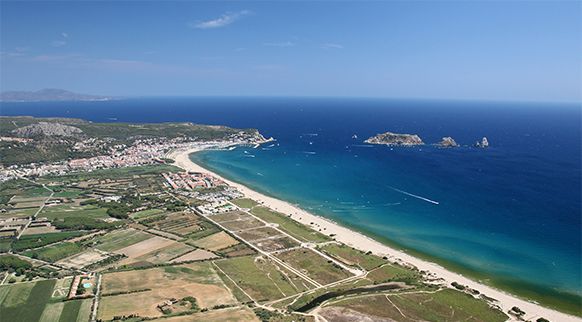
Why Buy an Apartment on the Costa Brava, Especially in l'Estartit ?
IntroductionThe Costa Brava, a Mediterranean gem in Catalonia, Spain, is...
more
Spain Houses for Sale
Finques Estartit is the best place to search for properties on the Costa Brava and is the most popular real estate website in Estartit.Spain maintains its position as the most popular foreign...
more